




Downsizing is one of those topics that comes up quietly, often long before someone is ready to take action.
We hear things like:
“I don’t want to leave… but I also don’t want to keep maintaining this.”
“We love this house, but it doesn’t fit our life anymore.”
“I just want things to feel easier.”
And I want to say this upfront: if you’re thinking about downsizing, you’re not alone. Most people don’t wake up one morning and suddenly decide to move. It’s usually a slow realization that your home has started to feel more like a project than a place that supports your life.
So how do you know when it’s time?
Below are a few signs we see often, and some guidance to help you start thinking about what’s next in a way that feels manageable and not overwhelming.
For a broader look at downsizing as a whole, read our post: What is Downsizing?
1) Your home feels like more responsibility than you want
This is one of the biggest signals.
It might be the stairs. Or the yard. Or the sheer amount of space that needs constant attention. Sometimes people feel guilty even saying it out loud, but it’s completely normal to reach a point where you want less maintenance and fewer “house projects.”
Downsizing isn’t about giving something up. It’s about making your daily life easier.
2) You find yourself using only part of the home
We see this a lot. People love their home, but they’re really only living in a few rooms. If the rest of the house has become storage, guest space you rarely use, or something you maintain “just in case,” it might be worth asking whether the space is still serving you.
Sometimes it’s not that the home is too big. It’s that it’s too much.
Get more downsizing tips and advice with these posts next:
3) Your lifestyle has changed and the house hasn’t
This is where downsizing becomes more about right-sizing.
In 2026, many homeowners are choosing homes that feel easier and more aligned with their life now. That might mean:
- walkability and easy access to restaurants and shops
- low-maintenance living (condo or townhouse)
- a smaller home with better layout and fewer stairs
- moving closer to family
- simplifying so you can travel more
It’s less about square footage, and more about choosing the lifestyle you want.
Looking for more options? Discover our top 55+ Communities in Northern Virginia.
4) You’re starting to think ahead
Sometimes clients tell us:
“We want to do this while we have the energy and time to make good decisions.”
That’s often the smartest reason to start planning.
When you downsize on your own timeline, it feels very different than downsizing because you have to. Planning ahead gives you options, and it removes the pressure.
5) You’re ready for a fresh start but the logistics feel overwhelming
This is the part that often keeps people stuck.
The questions come fast:
- Where would we go?
- What would we do with everything?
- How do we even start?
- What if we regret it?
If that sounds familiar, you’re in good company.
Downsizing can feel emotional and heavy because there’s history in your home. But it becomes much more manageable when you have a plan and support.
Decluttering is a major part of downsizing, but it’s often one of the most overwhelming. Especially when you’re going through 30+ years of memories! Here are some decluttering posts to help you get started:
6) You want to unlock flexibility financially
For many homeowners, downsizing also has a financial component. Depending on your goals, it may help you:
- lower monthly costs
- reduce ongoing maintenance expenses
- unlock equity for retirement or future planning
- simplify your finances and responsibilities
There’s no one “right” reason to downsize, but when lifestyle and financial flexibility line up, it’s often a strong time to explore your options.
Do you have more questions about the financial or logistical side of downsizing? Here are some more posts you might find helpful:
- Should You Sell Your Mortgage-Free Home?
- The Cost of Homeownership: Why Downsizing Might Be the Solution
- Is it Better to Buy or Rent When Downsizing?
A Gentle Reminder: Downsizing is a process
The biggest misconception about downsizing is that you need to decide everything before you begin. You don’t.
The best downsizing transitions usually start with a few low-pressure steps:
-
Get clear on what you want your next chapter to feel like
-
Understand what your current home could sell for and what your next home might cost
-
Build a timeline that gives you breathing room
-
Start a light decluttering plan that doesn’t feel urgent
-
Explore a few neighborhoods or communities without pressure
Even if you don’t plan to move for six to twelve months, planning now puts you in control.
Are you helping your parents downsize? Read: How to Sell Your Parents’ Home
How We Help?
Downsizing is more than selling a home. It’s a transition, and it deserves thoughtful support.
We help you:
- think through what you want next
- explore housing options that match your lifestyle goals
- create a realistic timeline
- coordinate preparation, decluttering, staging, and moving support
- position your home well so it sells strongly
- keep the process calm, clear, and well-managed
Most importantly, we help you make decisions that feel right!
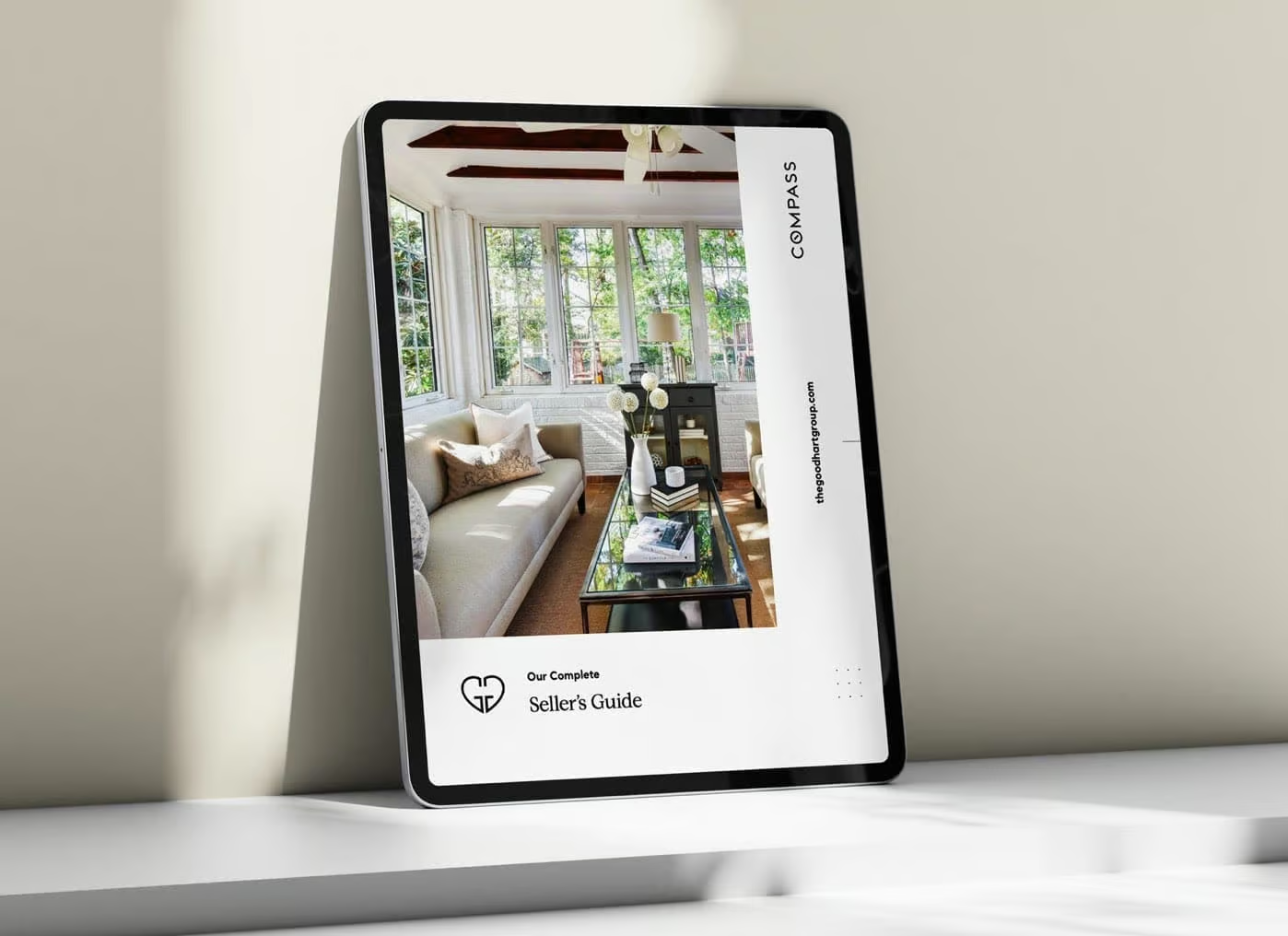
Click here to get started with our free guide.
Ready to start thinking about what is next?
If you are considering downsizing, even in the early stages, we would love to help you explore options and build a plan.
Reach out to schedule a conversation. We will walk through your goals, your ideal timeline, and what a successful transition could look like.
Sue Goodhart | sue@thegoodhartgroup.com
Allison Goodhart DuShuttle | allison@thegoodhartgroup.com
Phone: 703-362-3221
Looking for more real estate insights and the latest listings delivered right to your inbox? Sign up for our newsletter right here.
Newsletter Signup
"*" indicates required fields
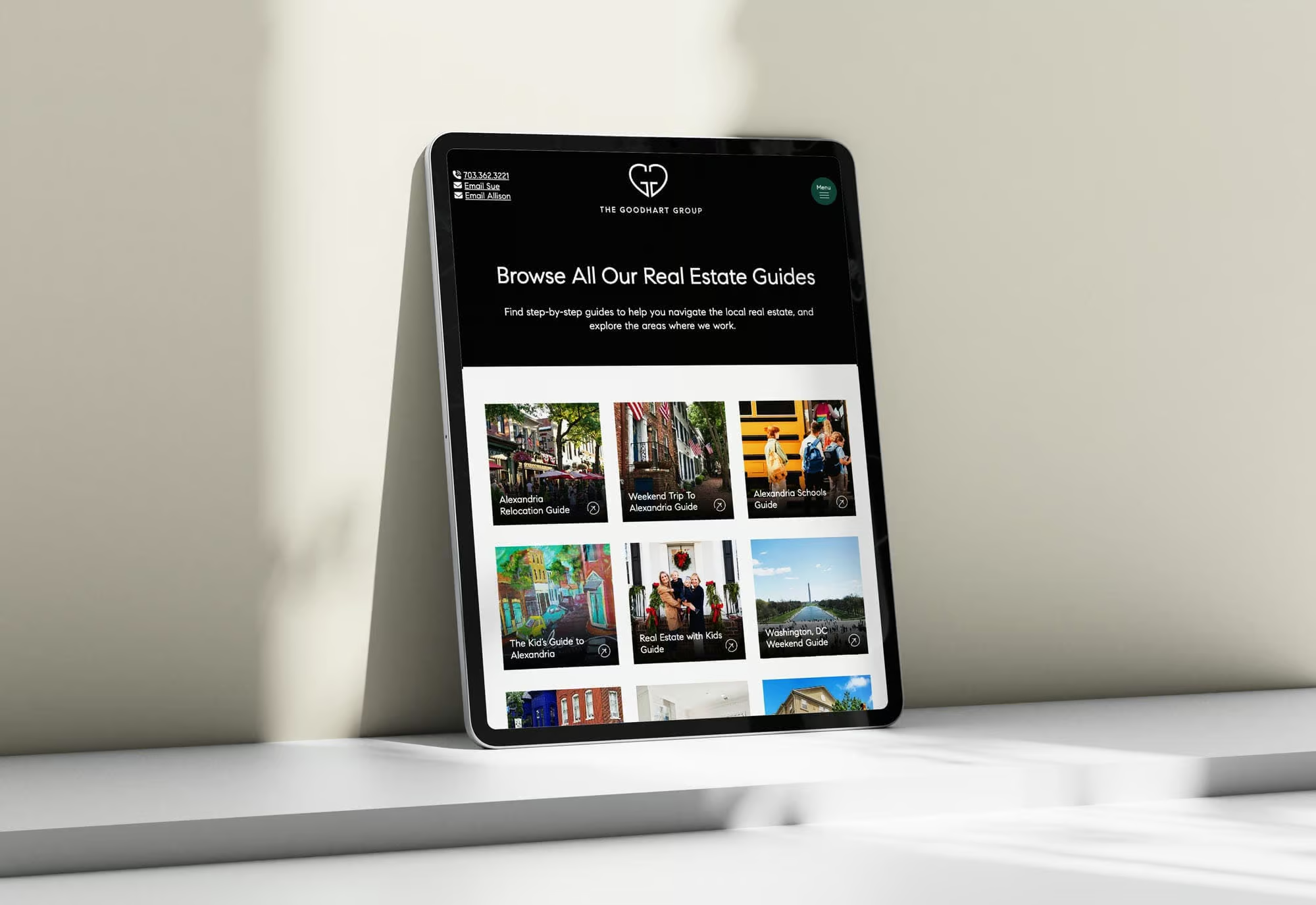
Looking For Additional Resources?
We’ve got you covered. Click the button below to download our lifestyle, real estate, and area guides.