



Share This Post:
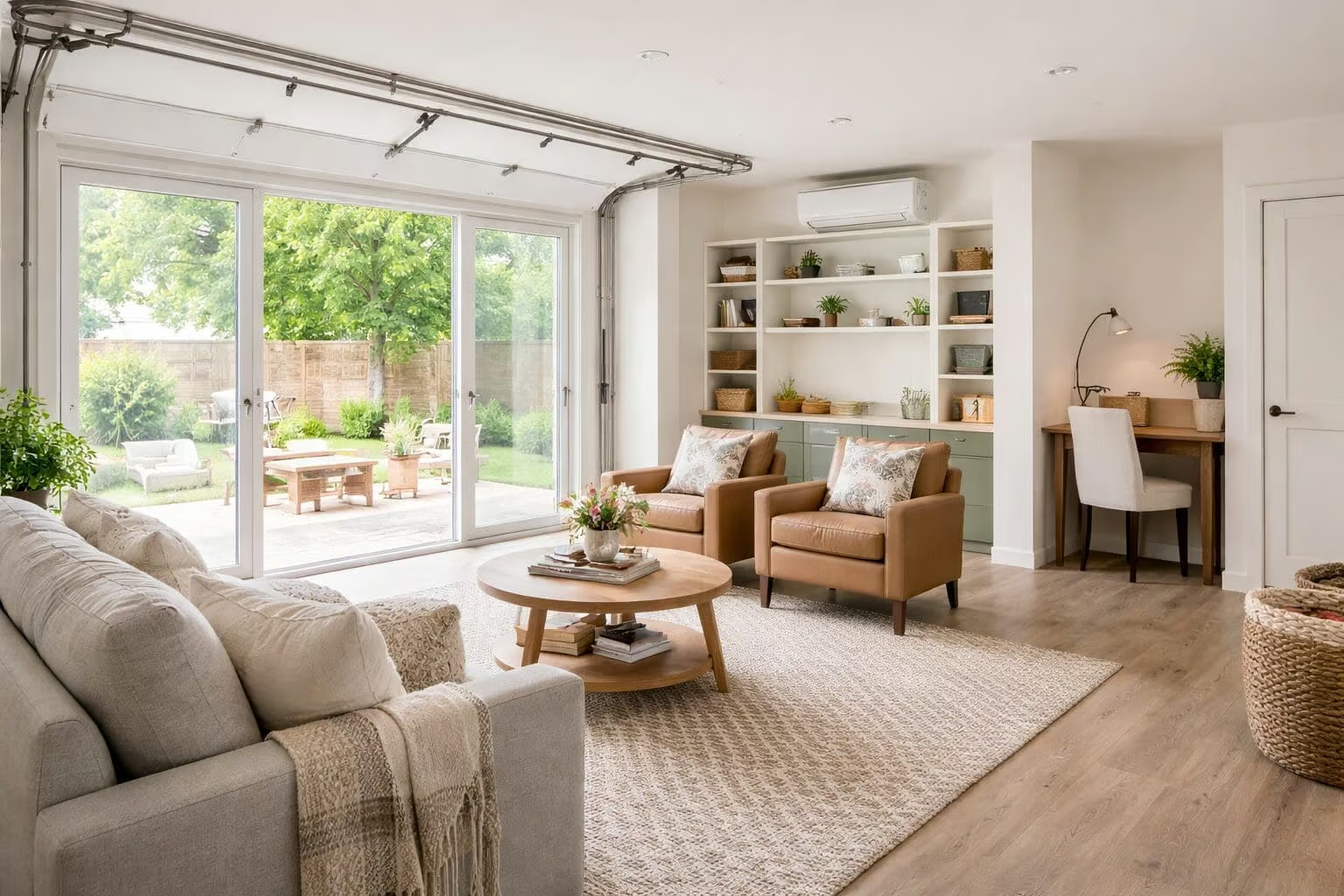
Sometimes you love your location and your home, but you need more functional space. An extra bedroom for guests or family, a dedicated office, a playroom, or a main-level suite can change how a home lives day to day. Converting a garage into living space can be one of the more efficient ways to gain that room without building a full addition.
What a garage conversion typically includes
A true conversion is more than finishing walls. To function as livable space, the project usually includes:- Framing out the former garage door opening (often adding windows for natural light)
- Insulation upgrades (walls and often ceiling)
- Floor work (garages may slope for drainage, so leveling is common)
- Electrical updates (outlets, lighting, smoke and CO alarms as required)
- Heating and cooling plan (extending existing HVAC or adding a dedicated option)
- Drywall, flooring, trim, and finishes that match the rest of the home
Love where you live and read more of our home improvement posts here:
- What to Do if Your Home is Too Cluttered
- How Green Energy Renovations Can Boost Your Property Value
- How to Cut Your Energy Costs
Updated cost considerations
Online cost estimates often underestimate real-world pricing, especially in the DC area where labor, permitting, and construction standards are higher than national averages. While national guides may reference broad cost ranges for garage conversions, those figures typically reflect lower-cost markets and simpler scopes of work. In practice, DC and Northern Virginia garage conversions tend to start higher once required permits, insulation, HVAC, and finish standards are factored in. Costs often increase further when you add:- a bathroom
- significant HVAC modifications
- higher-end finishes
- structural changes beyond the garage opening
Planning budgets? Learn more about the cost of living in the DC area.
Permits and code considerations
In most jurisdictions, converting a garage into conditioned living space requires permits, and often separate trade permits (electrical, mechanical, plumbing) depending on what you are doing. Fairfax County outlines that permits are required for many construction projects and that requirements depend on scope. Arlington County similarly provides guidance for residential permits and when they are needed. If the garage is attached, separation requirements between the garage and living space are a key safety issue. Virginia’s Residential Code includes dwelling-garage separation requirements (for example, Section R302.6 and Table R302.6). Because requirements can vary by jurisdiction and scope, we recommend confirming permitting and inspections early, before finalizing plans or contractor bids.Will it help resale?
It can, but it depends on your neighborhood and parking expectations. Garage conversions tend to perform best when:- the home still has off-street parking (driveway, carport, or other)
- the new space feels integrated (good light, consistent finishes, seamless flow)
- the work is properly permitted and finished to the standard of the rest of the home
Thinking about selling your home? Read more selling posts next:
- How Much Should I Sell My House For?
- Will Smart Home Features Increase My Home’s Value
- Are Open Houses Necessary for Selling a Home?
Other ways to add a bedroom
If a garage conversion is not the best fit, there are other options we often discuss with clients:- Put up a wall in a large bonus room to create a bedroom or office
- Convert a formal living or dining room that is rarely used
- Finish an attic when headroom, light, and egress allow
Bottom line
Converting a garage into living space can be a smart way to add flexible square footage, especially when you need a bedroom or office and want to avoid a full addition. The best results come from good planning, proper permits, and a design that feels like it has always been part of the home.Why Work With The Goodhart Group
We help homeowners think through whether a garage conversion makes sense for their home and neighborhood, what it may cost, and how it could affect resale. If you are deciding between renovating, converting, or making a move, reach out. We will help you build a plan that fits your lifestyle and long-term goals. Sue Goodhart | sue@thegoodhartgroup.com Allison Goodhart DuShuttle | allison@thegoodhartgroup.com Phone: 703-362-3221 Looking for more real estate insights and the latest listings delivered right to your inbox? Sign up for our newsletter right here.Newsletter Signup
"*" indicates required fields
Looking For Additional Resources?
We’ve got you covered. Click the button below to download our lifestyle, real estate, and area guides.
Get Our Guides