




Downsizing is one of those words people use, but it can mean very different things depending on who you ask.
Some people hear “downsizing” and immediately picture moving into a much smaller home, getting rid of most of their belongings, or making a change they’re not emotionally ready for yet. But for many of our clients, downsizing is something much more thoughtful and positive.
In 2026, downsizing is often better described as right-sizing. It’s choosing a home that fits your life now, and gives you more ease, flexibility, and breathing room.
So what is downsizing, really? Let’s break it down.
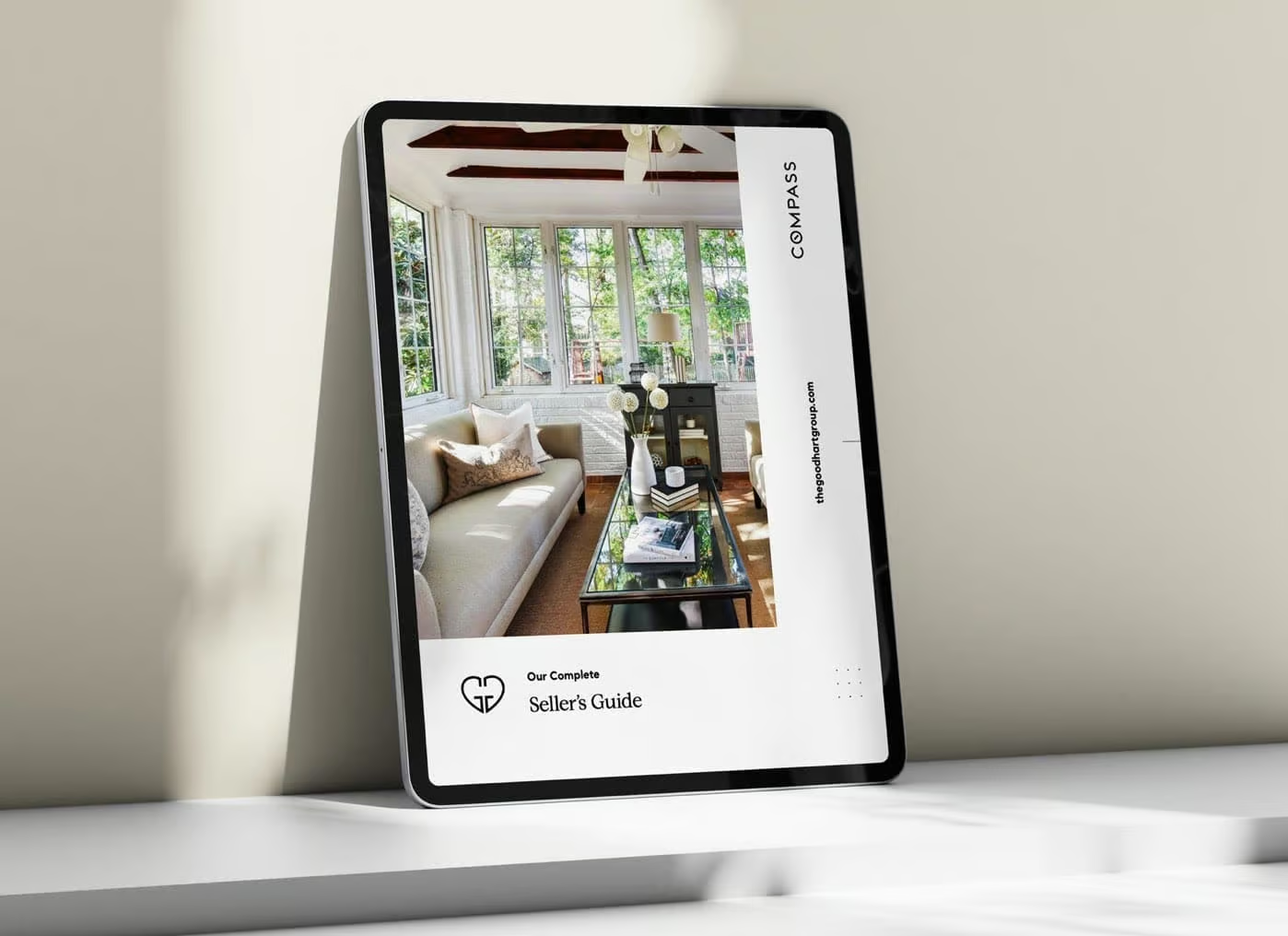
Before we dive in, make sure you download our Downsizing Guide for even more tips and advice to make the transition smooth.
Downsizing is choosing a home that supports your life today
Downsizing isn’t always about “less.” It’s about alignment.
It usually means moving from a home that once made sense, to a home that feels easier to live in and easier to maintain.
For some people, that looks like:
-
fewer stairs or a better layout
-
less outdoor maintenance
-
a condo or townhouse with more convenience
-
a home closer to family, friends, or daily errands
-
a more walkable neighborhood
-
a space that feels comfortable without being overwhelming
It’s less about the square footage and more about how you want your everyday life to feel.
Looking for a place that’s right for you? Explore the best 55+ Communities in Norther Virginia.
Learn more about how downsizing can help support your lifestyle with these posts next:
- Things to Consider When Moving to be Closer to Family
- Should You Sell Your DC Home and Move to Florida?
- The Best DMV Neighborhoods for Downsizers
Downsizing is often about reducing responsibility, not comfort
One of the most common things we hear is: “We love our home, but we don’t want to manage it anymore.”
Over time, even a beautiful home can start to feel like a list of responsibilities:
-
lawn care and seasonal upkeep
-
repairs and maintenance
-
managing unused rooms
-
storage that keeps growing
-
long weekends spent on “house things”
Downsizing can be a way to reclaim time, energy, and peace of mind. For many clients, it feels like moving into a home that supports their life instead of competing with it.
Not sure if you’re ready to start downsizing? Read: When is it Time to Downsize?
Downsizing can also be a strategic decision
While downsizing is often tied to life transitions, it can also be a smart financial move.
Some homeowners downsize to:
-
lower monthly costs
-
reduce maintenance expenses
-
unlock equity
-
simplify long-term planning
-
create flexibility for travel or retirement
In today’s market, many clients are thinking about both lifestyle and finances. A downsizing move can support both, and it helps to evaluate the full picture before deciding.
Read these posts next to learn more about the financial side of downsizing:
- The Cost of Homeownership: Why Downsizing Might Be the Solution
- Is it Better to Buy or Rent When Downsizing?
- Retirement on Your Terms: The Benefits of a Reverse Mortgage
Downsizing doesn’t always mean drastically smaller
This surprises a lot of people.
Sometimes downsizing is simply moving into:
-
a home with a better layout
-
one-level living
-
a smaller home that still feels open and bright
-
a place that is easier to manage day-to-day
-
a home that is closer to the things you care about
It’s also common to see clients “downsize” in square footage but feel like they’ve upgraded in comfort and lifestyle.
Get more advice about downsizing. Read: Our Top Tips for Downsizing
What downsizing often looks like in Northern Virginia and Washington, DC
In our area, downsizing frequently means moving into:
-
a walkable condo in Old Town Alexandria
-
a townhouse in a low-maintenance community
-
a smaller single-family home with a more functional layout
-
an elevator building with amenities
-
a neighborhood closer to family, community, and everyday conveniences
We also see downsizers prioritize things like:
-
fewer stairs and easier access
-
parking and convenience
-
move-in ready condition
-
proximity to restaurants, shopping, and medical care
-
a space that feels intentional and manageable
Downsizing is a process and you don’t have to rush it
One of the best things you can do is start thinking about downsizing before you feel pressure to act.
You don’t have to decide everything immediately. In fact, the smoother transitions usually begin with low-pressure steps:
-
Getting clear on what you want your next chapter to feel like
-
Understanding what your current home might sell for
-
Seeing what options exist in the areas you like
-
Building a timeline that gives you breathing room
-
Starting a simple decluttering plan (one category at a time)
Even if you don’t plan to move for 6 to 12 months, planning early gives you options and helps you stay in control.
How we help?
Downsizing isn’t just a real estate transaction. It’s a transition and it deserves thoughtful support.
We help clients:
-
evaluate options that match lifestyle goals and financial priorities
-
create a timeline and plan that feels manageable
-
coordinate home prep and staging
-
connect you with decluttering and moving resources when helpful
-
position your current home strongly for the market
-
guide the process with calm communication and reliable follow-through
Most importantly, we help you make decisions that feel right.
Thinking about downsizing?
If downsizing has been on your mind, even in the early stages, we’re happy to talk through options and help you build a plan.
Reach out anytime and we can start with a simple conversation about what you want next, your ideal timeline, and what a successful transition could look like.
Sue Goodhart | sue@thegoodhartgroup.com Allison Goodhart DuShuttle | allison@thegoodhartgroup.com Phone: 703-362-3221 Looking for more real estate insights and the latest listings delivered right to your inbox? Sign up for our newsletter right here.Newsletter Signup
"*" indicates required fields

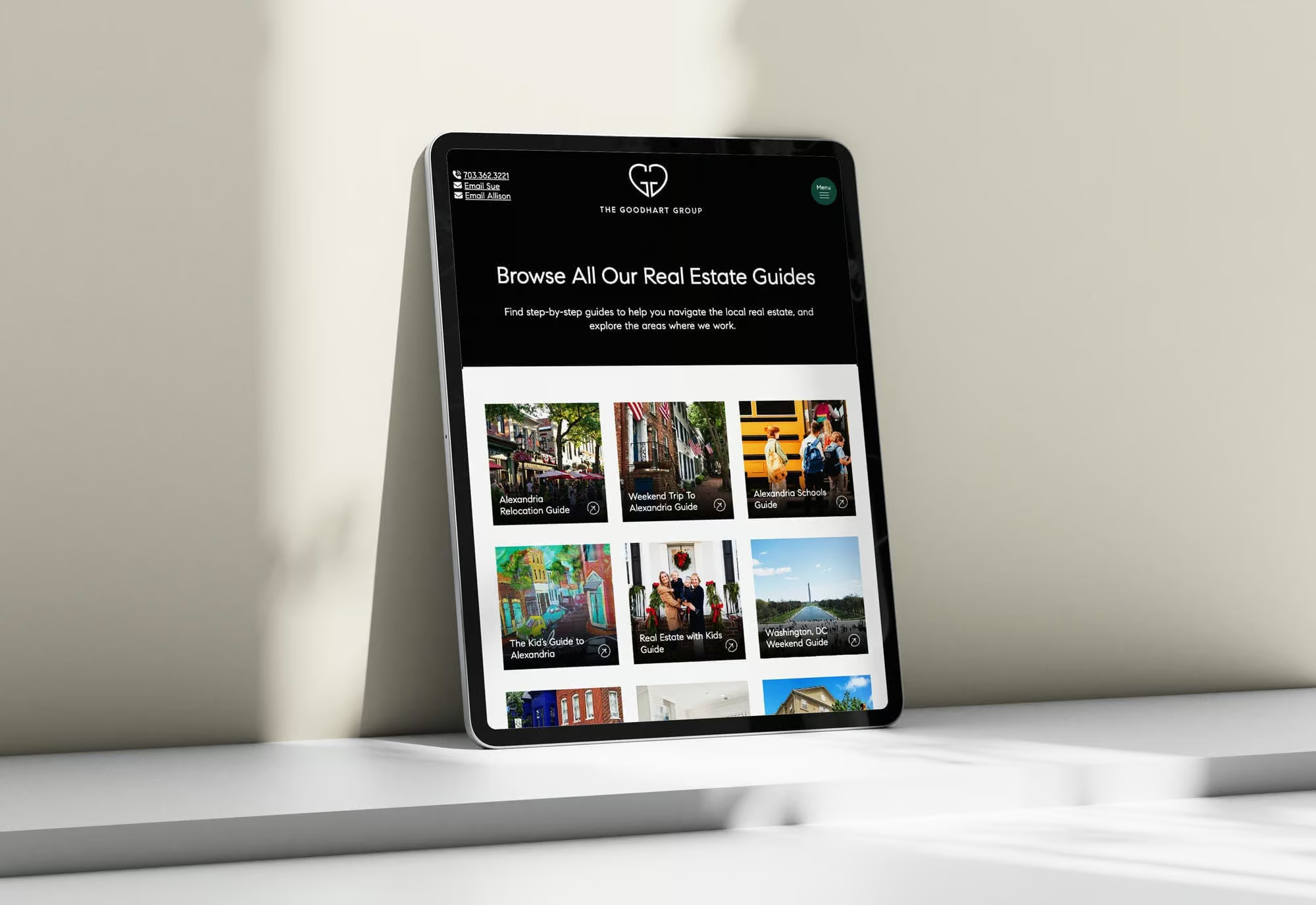
Looking For Additional Resources?
We’ve got you covered. Click the button below to download our lifestyle, real estate, and area guides.