






We all love the convenience of modern online shopping. Platforms like Zip, Afterpay, and Klarna have made it incredibly easy to furnish an apartment, handle holiday shopping, or buy everyday luxury items by breaking the total cost into smaller, interest-free installments.
But if you are gearing up to buy a home in the Alexandria or greater DC metro area, those small, seemingly harmless “Buy Now, Pay Later” (BNPL) payments could actually throw a wrench into your mortgage approval process.
Before you click “Pay in 4” on your next online checkout, here is exactly how lenders view BNPL programs and what you need to know to protect your purchasing power.
Does “Buy Now, Pay Later” Count as Debt?
The short answer is yes. Even if a platform charges zero interest and skips a hard credit check when you sign up, you are still borrowing money and entering a legal agreement to repay it over time.
Many buyers assume that if a BNPL account doesn’t show up on a traditional credit report, a mortgage lender won’t find out about it. However, during the underwriting process, your lender will thoroughly review your recent bank statements. When they see recurring automatic withdrawals to Klarna, Afterpay, or Zip, those payments will be flagged and scrutinized just like a car loan or credit card bill.
Learn more about mortgages and financing with these posts next:
- Is a 40- or 50-Year Mortgage For you?
- Retirement on Your Terms: The Benefits of a Reverse Mortgage
- Should I Recast My Mortgage?
The Impact on Your Debt-to-Income (DTI) Ratio
Your Debt-to-Income (DTI) ratio is one of the most critical numbers a lender looks at. It compares your total monthly debt obligations against your gross monthly income.
Even small BNPL installments count toward your monthly liabilities. If you have multiple active plans going at once, say, $50 a month to Afterpay, $100 to Zip, and $75 to Klarna, that adds up quickly. If your DTI ratio is already close to the lender’s strict limit, those extra monthly obligations could ultimately reduce your overall borrowing power or even impact your loan eligibility.
Planning a home purchase? Check out our Ultimate Guide to Buying a Home in Alexandria
What Underwriters Are Looking For
Mortgage underwriters are trained to look for patterns that might indicate financial stress or an inability to comfortably handle a new monthly mortgage payment. Here is what raises a red flag:
- Multiple Active Accounts: Relying on several BNPL platforms simultaneously can signal a tight cash flow to a lender.
- Opening New Plans During Underwriting: The golden rule of real estate is to never open new lines of credit once you start the mortgage process. This absolutely applies to BNPL. Opening a new plan changes your financial profile mid-stream and will likely trigger frustrating delays and fresh documentation requests.
- Administrative Headaches: Because BNPL terms can be less formal than traditional loans, an underwriter might require you to track down specific documentation for each individual account to prove the balance and terms, adding unnecessary stress right before closing.
Mortgage underwriters have a list of things they look for, but did you know that you don’t actually need 20% down and a perfect credit score to buy a home?
Best Practices Before You Apply for a Mortgage
If you are planning to buy a home soon, here is how we recommend handling your BNPL accounts to ensure a seamless underwriting process:
- Hit Pause on New Purchases: Avoid opening any new BNPL plans at least three to six months before you plan to apply for a mortgage.
- Pay Off Existing Balances: If possible, try to clear your active installment plans entirely. Having fewer recurring liabilities on your bank statements makes your financial profile look much cleaner.
- Be Upfront with Your Lender: Do not try to hide your BNPL usage. Tell your loan officer about any active installment plans right away so they can accurately calculate your DTI and guide you on the best next steps. Good lenders (like the ones we can connect you with) will be able to advise you on which debt to pay off first to make a bigger impact on your buying power.
Buying your first home is an exciting milestone. Download our First-Time Home Buyer Guide for a complete look at the entire buying process.
Ready to Strategize Your Next Move?
Navigating the financial side of buying a home can feel overwhelming, but you don’t have to do it alone. If you are wondering how your current financial picture looks or want to start building a clear roadmap to homeownership in the DMV, we would love to connect you with one of our trusted local lending partners.
Reach out anytime to start the conversation!
Sue Goodhart | sue@thegoodhartgroup.com
Allison Goodhart | allison@thegoodhartgroup.com
Phone: 703.362.3221
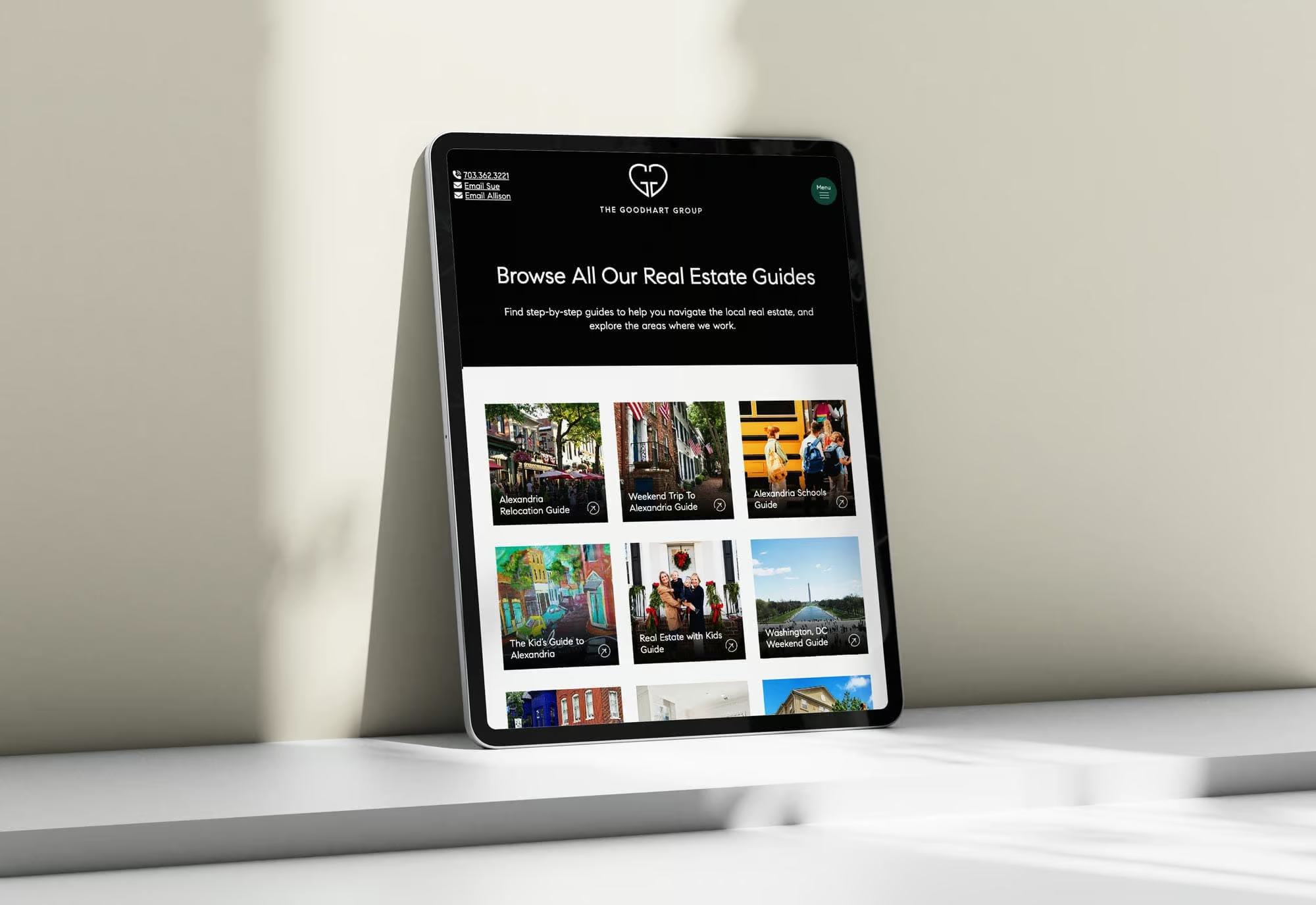
Looking For Additional Resources?
We’ve got you covered. Click the button below to download our lifestyle, real estate, and area guides.